Impact & Community Insights
Data-driven insights guiding our strategy
Key Findings
Data collected from community campaigns highlight critical awareness gaps
Late Diagnosis Common
Many community members have limited knowledge of cancer prevention and available screening.
Low Screening Awareness
Fear and stigma remain significant barriers to cancer screening across communities.
Community-Based Delivery Preferred
Communities prefer receiving health information through outreach programs and mobile communication.
Strong Demand for Education
There is strong demand for continued cancer education and awareness programs.
Why Cancer Awareness Matters
In Cameroon and many low-resource settings:
- Late diagnosis is common
- Awareness of screening is low
- Fear and stigma delay care
- Preventable cancers remain widespread
Education and community outreach can dramatically improve outcomes. These insights guide our strategy and future interventions.
Data Visualizations
Cervical Cancer Awareness 2025 Community Campaign Insights
Community Reach
• 1,000 women reached
• Outreach in churches, markets & university
• Strong public engagement
Awareness
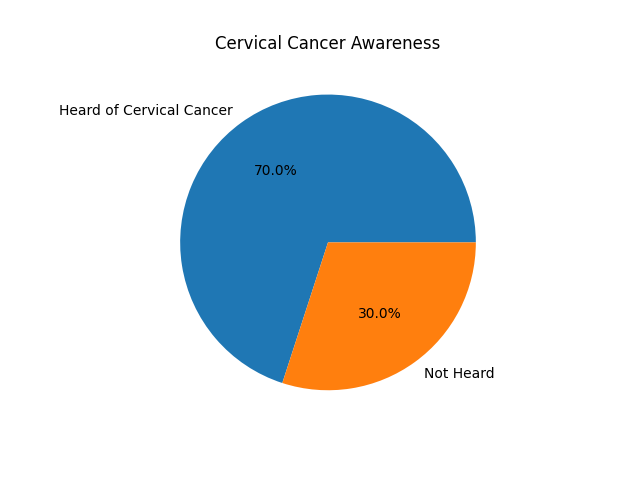
- Many had heard of cervical cancer
- Limited understanding of HPV cause
- Prevention knowledge gaps remain
Screening Behavior
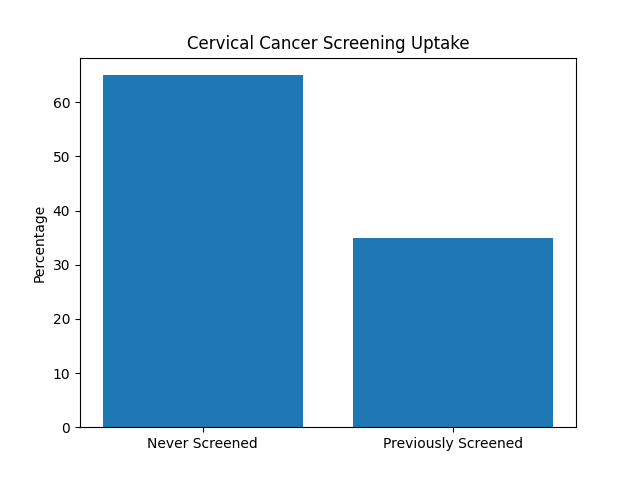
- Most women never screened
- Fear & stigma remain barriers
- Access challenges persist
HPV & Prevention
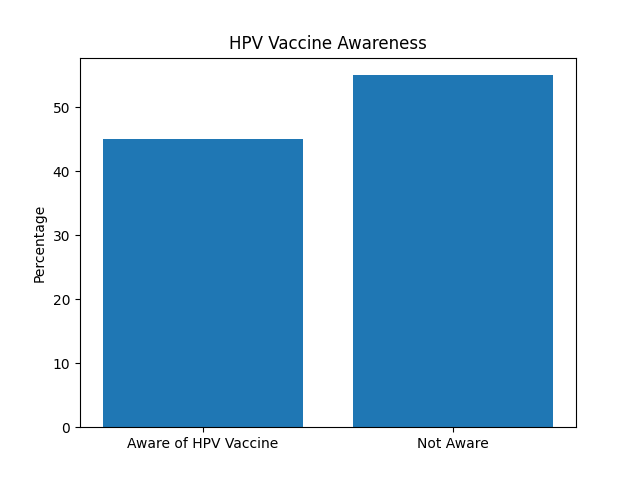
- Limited awareness of HPV vaccine
- Strong interest in prevention education
- Communities want more information
Key Insight
Early detection and vaccination can prevent most cervical cancer cases.
Colon Cancer Awareness 2025 Community Campaign Insights
Community Readness
• High interest in screening programs
• Residents willing to encourage others
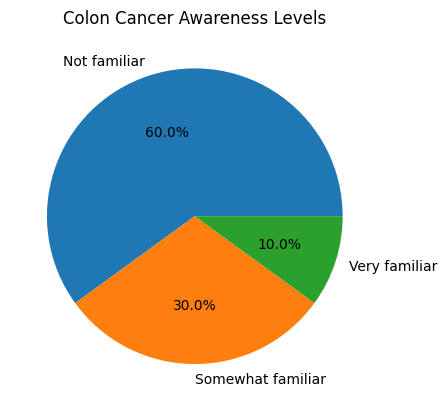
Awareness Levels
- 60% not familiar
- 30% somewhat familiar
- 10% very familiar
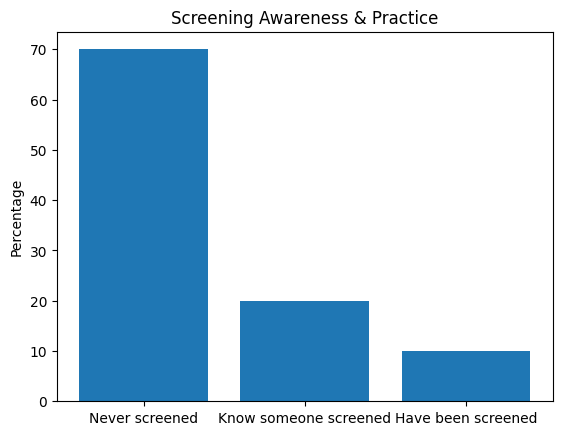
Screening Practice
- 70% never screened
- 20% know someone screened
- 10% screened themselves
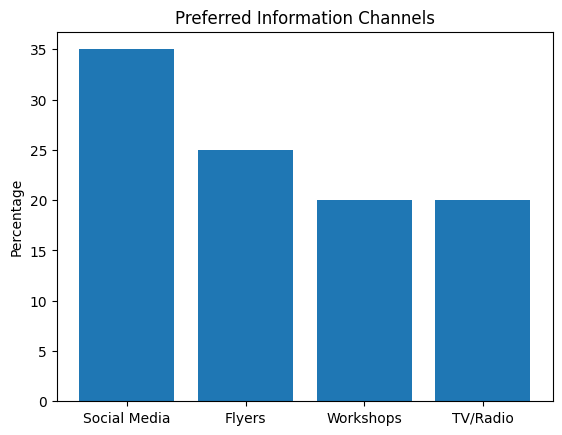
Preferred Information Channels
- Social media
- Flyers & pamphlets
- Workshops & seminars
- TV & radio
Key Message
Early detection saves lives.
Education and access to screening are urgently needed.